
Why Niddah After Birth?
Apr 17, 2026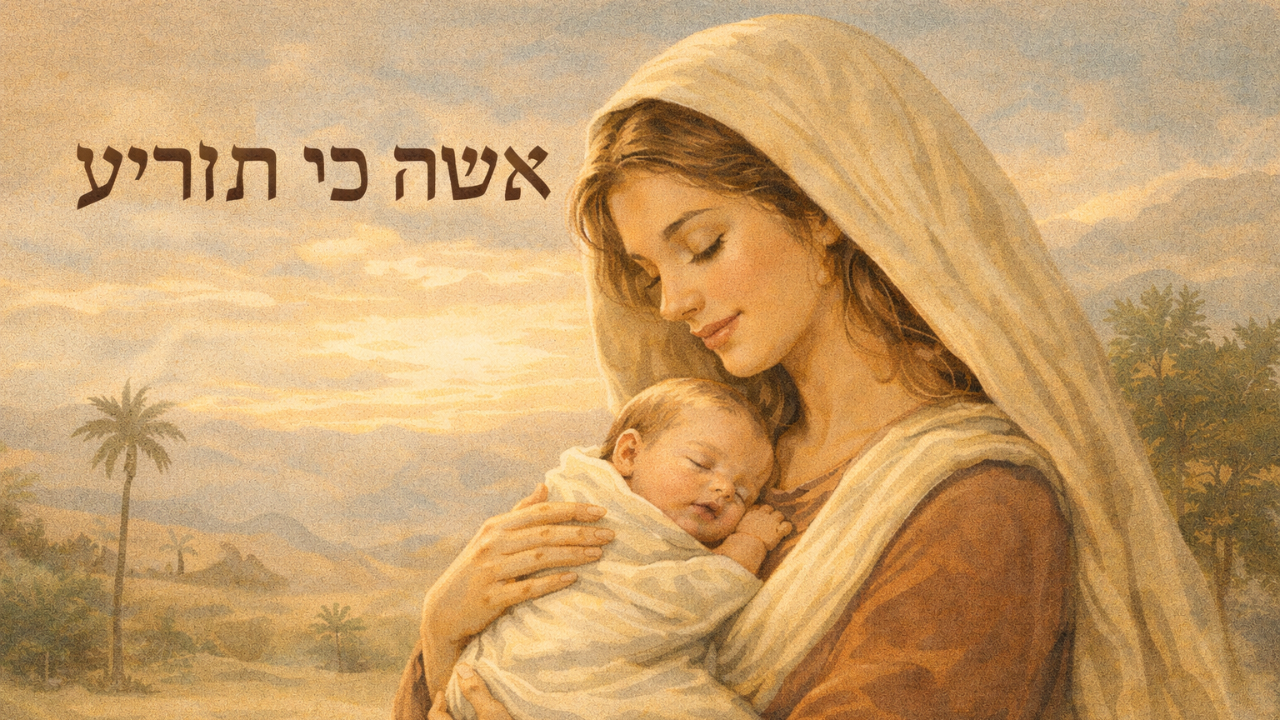
You probably heard me talk about Niddah as a brush of death, right?
The loss of potential—when conception doesn’t occur.
A pause to honor the life that could have been.
So you wonder: How does the same logic apply for Niddah after giving birth? Isn’t that literally the opposite?
:אִשָּׁה֙ כִּ֣י תַזְרִ֔יעַ וְיָֽלְדָ֖ה זָכָ֑ר וְטָֽמְאָה֙ שִׁבְעַ֣ת יָמִ֔ים כִּימֵ֛י נִדַּ֥ת דְּוֹתָ֖הּ תִּטְמָֽא
A woman who conceives and gives birth…as [in] the days of her menstrual flow, she shall be tamei.
(Vayikra 12:2)
You gave birth.
You brought a soul into this world.
Why does halachah place you in the same spiritual category as when life wasn’t created???
Because birth is not only a beginning.
It is also an ending.
Just like every ending is also a beginning. #cycles
But this is not just the death of the pre-birth womb…
It’s the death of the woman you were.
The woman who crossed the threshold of birth is not the same one who conceived.
You are new now.
That becoming is the process truly honored here.
You are a mother.
At the same time - you’re still arriving in that identity.
Niddah is in between.
You’re no longer the woman you were.
Not yet fully the woman - the mother - you’re becoming.
You’re in the threshold space.
This liminal zone—the waiting, the unraveling—is a sacred container.
The void, where the new vessel is formed.
Holding you in the mystery of transformation.
Protecting the tender unraveling of self, soul, and body.
Niddah gives you time.
Time to let go. Time to exhale. Time to land.
In the sacred aftermath of creation.
So if you’re in this space right now—waiting, bleeding, raw, tired—
know this:
You are not forgotten.
You are not broken.
You are not impure.
You are being made new.
This is not the end.
It’s the beginning of the beginning.
(And the cycle continues.)

Join the Mailing List!
Get cyclical insights straight to your inbox.